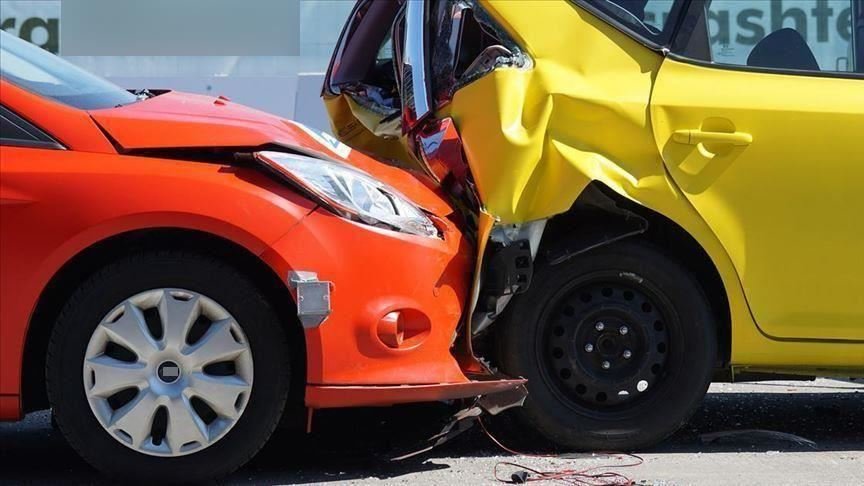
Road accidents have become a serious global issue in today’s fast-paced world. With increasing traffic, busy lifestyles, and growing numbers of vehicles, road crashes occur more frequently than ever. These accidents not only cause injuries and deaths but also create long-term social and economic problems.
This article explains the major causes of road accidents, their impact on individuals and society, key statistics, and practical steps that can help reduce accidents and make roads safer for everyone.
Common Causes of Road Accidents
Road accidents usually happen due to a combination of human behavior, vehicle conditions, and road environments. According to data from the National Highway Traffic Safety Administration (NHTSA), most accidents are preventable.
Distracted Driving
Distracted driving is one of the leading causes of road accidents.
Common distractions include:
-
Using mobile phones (calls, texts, social media)
-
Eating or drinking while driving
-
Talking to passengers
-
Adjusting music or navigation systems
NHTSA reports that distracted driving is linked to thousands of fatalities each year. Even a few seconds of lost attention can result in serious consequences.
Safety Tip:
Use “Do Not Disturb” mode on your phone and keep it out of reach while driving.
Speeding and Reckless Driving
Speeding significantly increases the risk of severe accidents. High speed reduces reaction time and increases the impact of crashes.
Key facts:
-
Speeding contributes to nearly one-third of fatal road accidents.
-
Reckless behaviors such as tailgating and sudden lane changes increase danger.
Safety Tip:
Follow speed limits and use cruise control on highways when possible.
Impaired Driving
Driving under the influence of alcohol or drugs is a major cause of road deaths worldwide. According to the World Health Organization (WHO), impaired driving accounts for a significant percentage of fatal crashes globally.
Alcohol and drugs:
-
Reduce reaction time
-
Affect judgment and coordination
-
Increase risk-taking behavior
Safety Tip:
Never drive after drinking. Use public transport, ride-sharing services, or a designated driver.
Impact of Road Accidents on Individuals and Society
Road accidents affect more than just the people involved. Their impact spreads across families, communities, and economies.
Physical and Emotional Impact
Road accidents can cause:
-
Minor injuries
-
Permanent disabilities
-
Psychological trauma such as anxiety or PTSD
-
Loss of life
WHO estimates that tens of millions of people suffer non-fatal injuries every year due to road crashes.
Economic and Social Costs
Road accidents create heavy financial burdens, including:
-
Medical expenses
-
Vehicle repair costs
-
Loss of income due to missed work
-
Increased insurance premiums
In many countries, road accidents cost up to 3% of annual GDP due to healthcare and productivity losses.
Long-Term Community Effects
Communities affected by frequent road accidents may experience:
-
Traffic congestion
-
Strain on emergency services
-
Reduced sense of safety
-
Emotional stress for families and neighborhoods
Improving road safety helps improve overall quality of life.
Road Accident Statistics and Trends
Reliable data helps understand the seriousness of road safety issues.
Global Statistics
According to WHO:
-
Over 1.19 million people die each year in road accidents worldwide
-
Millions more suffer injuries
-
Low- and middle-income countries face the highest risk
Demographic Insights
-
Young drivers (ages 16–24) are more likely to be involved in serious crashes
-
Inexperience and risky behavior increase accident rates
-
Male drivers statistically account for a higher percentage of fatal accidents
Recent Trends
Recent years have shown:
-
Increased speeding after pandemic lockdowns
-
Higher accident risks during bad weather conditions
-
Growing concern over distracted driving due to smartphone use
Prevention Strategies and Road Safety Measures
Road accidents can be reduced with responsible behavior, better infrastructure, and strong policies.
Safe Driving Habits
-
Always wear a seatbelt
-
Avoid mobile phone use while driving
-
Do not drive when tired
-
Maintain safe distance from other vehicles
-
Stay calm and avoid road rage
Vehicle and Road Improvements
-
Regular vehicle maintenance (brakes, tires, lights)
-
Use of modern safety features like automatic braking
-
Well-designed roads, traffic signs, and pedestrian crossings
Government and Community Initiatives
-
Speed cameras and traffic enforcement
-
Public awareness campaigns
-
Stricter laws against drunk driving
-
Road safety education programs
Community involvement plays a key role in promoting safer roads.
Conclusion
Road accidents are a major global safety concern, causing millions of injuries and over a million deaths every year. Most accidents are preventable through safer driving habits, better road conditions, and stronger enforcement of traffic laws.
Key takeaways:
-
Avoid distractions and speeding
-
Never drive under the influence
-
Follow safety rules consistently
-
Support road safety initiatives
Every responsible action helps reduce risk. Safer roads begin with informed and careful drivers. By making small changes today, we can help save lives tomorrow.