Flinders University Did you know Flinders University started in 1966 as one of Australia’s newest schools? It quickly grew into a top spot for learning and discovery. Now, it ranks high worldwide for its fresh ideas and strong focus on real-world skills.
This university sits in Adelaide, South Australia. It draws students from all over with its mix of hands-on classes and top research. If you’re thinking about studying at Flinders University, you’ll find programs that match your goals, from health to tech.
In this guide, we cover the school’s history, courses, campus life, research, and how to apply. We look at Flinders University rankings and why it shines for students and experts. Whether you want Flinders University courses or tips on daily life, you’ll get clear info here.
History and Evolution of Flinders University
Flinders University began as a bold step forward in education. Lawmakers in South Australia created it to meet growing needs for higher learning. From small starts, it built a name in Flinders University history as a place that pushes limits.
Founding and Early Development
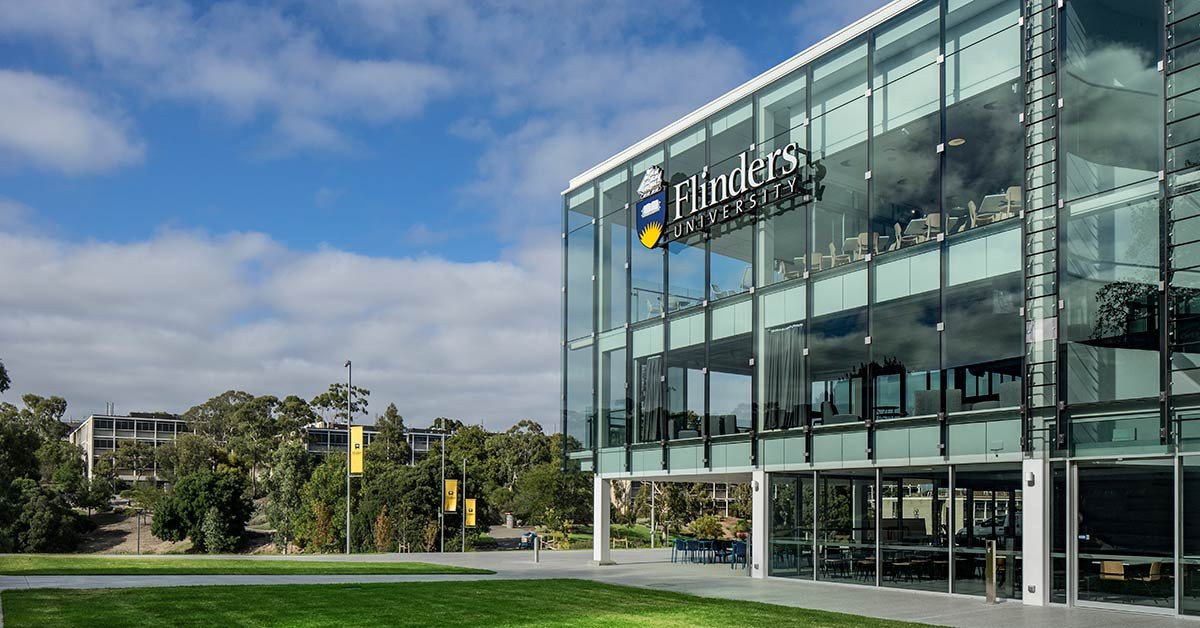
Parliament set up Flinders in 1966. They named it after Matthew Flinders, the explorer who mapped Australia. The main campus opened in Bedford Park, south of Adelaide, on hilly land with ocean views.
Early days saw quick growth in students. By 1971, it had over 3,000 enrolled. Leaders aimed to make it a modern school with open ideas and close teaching. You could feel the energy as new buildings rose and classes filled up.
This founding of Flinders University set it apart. It skipped old ways and focused on student needs right from the start.
Key Milestones and Expansions
In the 1970s, Flinders added more space and programs. It opened a campus in the city at Victoria Square in 2005, bringing classes closer to downtown Adelaide. This helped more people join without long trips.
The 2010s brought big changes. Research in health and tech led to new centers. Partnerships with local groups grew, like ties to hospitals for medical training. Infrastructure got boosts too, with modern labs and green spaces added.
These steps show Flinders’ path. It went from a young school to a leader in Australian higher ed. Check the official site for full timelines if you dig deeper into Flinders University history.
Impact on South Australian Education
Flinders changed how people in the region learn. It opened doors for those far from big cities, with programs that fit local jobs. Reports from state groups note how it boosted access for all backgrounds.
The school helped cut gaps in education. It runs outreach to rural areas and supports first-time students. This made South Australia stronger in skills for health and business.
Today, Flinders plays a key role. It trains workers who stay and build the area. If you’re from here, you see its mark on daily life and growth.
Academic Programs and Degrees at Flinders University
Flinders offers a wide range of degrees. You can pick from health, arts, or science based on your interests. The Flinders University courses stand out for their real-world focus and small class sizes.
Programs link to jobs in growing fields. Teachers use projects and internships to build skills. For those eyeing degrees at Flinders University, options fit every step of your path.
Undergraduate Offerings and Specializations
Start with a bachelor’s at Flinders. Popular ones include the Bachelor of Medicine and Bachelor of Surgery, a top pick for doctors. Health sciences draw many, with hands-on labs from day one.
Engineering and business degrees also shine. The Bachelor of Engineering covers civil and software paths. Entry needs high school scores, often through SATAC for locals.
To apply, visit the Flinders portal. Prep your grades and a personal statement. Tips: Pick a program that matches your passions, like nursing if you love helping people. These undergrad choices set you up for strong careers.
- Health Sciences: Focus on practical skills in nursing or physio.
- Engineering: Learn design with industry tools.
- Business: Gain marketing know-how through case studies.
Postgraduate and Research Degrees
Flinders University Move up to master’s or PhD levels. Fields like marine biology offer deep dives into ocean life. Public health programs tackle big issues with data and policy.
Research degrees let you lead projects. Scholarships help international students cover costs. Check the global page for options like the International Postgraduate Scholarships.
Advice: Start by emailing advisors for fit. Build a strong proposal for PhDs. These paths open doors to expert roles worldwide.
Online and Flexible Learning Options
Flinders adapted fast to online needs after COVID. You can take full degrees or short courses from home. Micro-credentials build quick skills in areas like data analysis.
Flexible setups suit working folks. Mix live sessions with self-paced work. Tips for balance: Set a study spot and join virtual groups for support.
This makes studying at Flinders University easy. No need to quit your job. Explore the site for current online Flinders University courses.
Campus Life and Student Experience
Life at Flinders feels lively and supportive. You meet people from everywhere on green grounds. Flinders University campus life mixes study with fun events.
Students say the close community helps them thrive. Daily routines include classes, chats in cafes, and night study sessions. It’s a place where you grow beyond books.
Facilities and Resources
The Bedford Park campus has top spots to learn and relax. The library won awards for its design and tech. Health centers offer free check-ups and counseling.
Sports fields and gyms keep you active. Join yoga or team games. Tips: Use quiet rooms for focus and book group spaces early.
These tools make days smooth. Grab a coffee between classes or hit the pool after.
Student Support Services and Diversity
Flinders welcomes all with strong help. International offices guide visas and culture shocks. Career services match you to jobs with resume reviews.
Inclusivity shines through Indigenous programs like the Pathway initiative. It eases entry for Aboriginal students. Steps to access: Log in to the student portal and book a chat.
Diversity builds rich experiences. You learn from peers’ stories every day.
Extracurricular Activities and Community Engagement
Flinders University Join clubs for music, debate, or hiking. Over 100 groups run events year-round. Orientation week kicks off with games and tours.
Volunteering links you to Adelaide causes. Help at food banks or beach cleanups. Tips: Pick one activity to start, then network at mixers.
These build bonds that last. Check calendars for upcoming fun.
Research Excellence and Innovation at Flinders University
Flinders leads in smart work that solves problems. Its teams tackle health and environment issues. Flinders University research ranks well for impact and fresh ideas.
Experts collaborate across fields. This creates breakthroughs you hear about in news. If research draws you, Flinders offers chances to join in.
Leading Research Institutes and Centers
The College of Medicine and Public Health drives health advances. It studies aging and disease prevention. The Flinders Institute for Research on Ageing looks at elder care.
Marine centers explore sea life near the coast. They partner with locals for sustainable fishing. These spots give real tools for discovery.
Join as a student or staff. Labs have cutting tools for hands-on work.
Notable Achievements and Collaborations
Flinders works with CSIRO on energy projects. They test solar tech for clean power. Wins include new treatments from health trials.
Grants flow through university channels. Tips for applicants: Review past projects and align your ideas. This opens funding doors.
Such ties boost careers and change fields.
Impact on Global Challenges
Research here fights climate shifts with water studies. Health teams aid pandemic responses. Interdisciplinary groups mix ideas for big fixes.
Public reports highlight these efforts. They show Flinders’ role in world needs. You can contribute to real change.
Admissions, Fees, and Practical Advice for Studying at Flinders University
Getting in at Flinders is straightforward. Follow steps for undergrad or postgrad. Flinders University admissions favor those ready to learn and contribute.
Fees vary, but aid helps. Practical tips make the move easy. Plan ahead for a smooth start.
Application Process and Requirements
For undergrad, use SATAC or direct apply. Postgrad goes straight to Flinders. Need transcripts, references, and English tests like IELTS for internationals.
Steps:
- Choose your course on the site.
- Gather docs and submit online.
- Wait for offers, usually in weeks.
Prep tips: Highlight experiences in your app. Practice interviews if needed.
Tuition Fees and Financial Aid
Domestic undergrad fees run about $8,000 a year via loans. Internationals pay more, around $30,000 for health courses. Use the fee calculator for exacts.
Scholarships cut costs. The International Postgraduate ones cover up to 50%. Check eligibility: Good grades and essays win them.
Apply early for best chances.
Life in Adelaide and Beyond
Adelaide costs less than Sydney—rent at $200 weekly off campus. On-site dorms start at $150. Buses link campus to city fast.
Tips for settling: Read relocation guides and join welcome events. Shop markets for cheap eats. Explore beaches on weekends.
You’ll love the sunny vibe and friendly locals.
Conclusion
Flinders University stands as a top choice for smart, caring education. Its history shows growth from 1966 roots to global ranks. Programs in Flinders University courses prepare you for jobs with practical skills.
Research tackles real issues, from health to oceans. Campus life builds friends and support. Admissions and fees fit most budgets with help available.
Key points: Flinders focuses on you, with diverse degrees and strong networks. It readies graduates for worldwide roles. Check if it matches your dreams.
Visit Flinders University’s website today. Start your application and join this vibrant spot.